With the epicenter of media consumption shifting to social media platforms and the already prevalent ‘meme culture’, there is a significant rise in digital comic collections. From individual creators to established brands, everyone is embracing webcomics as a powerful tool for engaging audiences and driving business growth. Once confined to newspapers and magazines, the traditional comic strip has easily stepped into the digital realm due to platforms like Webtoon, Tapas, and Patreon and a numerous digital comic creators have got the chance to showcase their humorous content and connect with a global audience. One of the most significant advantages of digital platforms for comics is accessibility. Unlike print media, which often requires physical distribution and limited shelf space, online comics can be accessed anytime, anywhere, with just a few clicks. This accessibility has democratized the world of comics, allowing creators from diverse backgrounds to share their stories and perspectives with the world.
The combination of Online Comics and Business humour
The value of humorous content marketing and branding is widely recognized in businesses. Online Comics offer a unique opportunity to convey complex ideas, promote products or services, and connect with audiences on a personal level. Whether it’s through witty one-liners, relatable characters, or clever visual gags, webcomics can capture attention and leave a lasting impression. One of the strongest content marketing strategies for businesses is curating digital comic collections. Using this strategy of online comics, brands leverage the opportunity to humanize their image, foster engagement on social media platforms, and generate buzz around their products or services. Moreover, the shareability of webcomics makes them an ideal format for viral marketing campaigns, allowing businesses to reach new audiences organically.

Empowering Digital Comic strips creators with Social Media Platforms
The digital renaissance of comics is led by the creators – artists, writers, and storytellers who breathe life into their comic strips and hold the intent of bringing a smile on the reader’s face. With the advent of digital tools and software, comic strip creators have more flexibility and creative freedom than ever before. From hand-drawn illustrations to digital artwork, the possibilities are endless.
Many comic strip creators have also embraced the entrepreneurial spirit, leveraging digital platforms to monetize their work and build sustainable careers. Through crowdfunding platforms like Patreon, creators can receive direct support from fans and patrons, enabling them to focus on their craft full-time. Additionally, collaborations with brands and businesses offer lucrative opportunities for comic creators to expand their reach and monetize their content and digital comic collections further.
The Future
As digital technology continues to advance, the future of webcomics looks brighter than ever. Augmented reality (AR) and virtual reality (VR) technologies promise to take comic storytelling to new heights, blurring the lines between fiction and reality. Interactive webcomics, animated shorts, and immersive experiences are snippets of the near future of online comics.
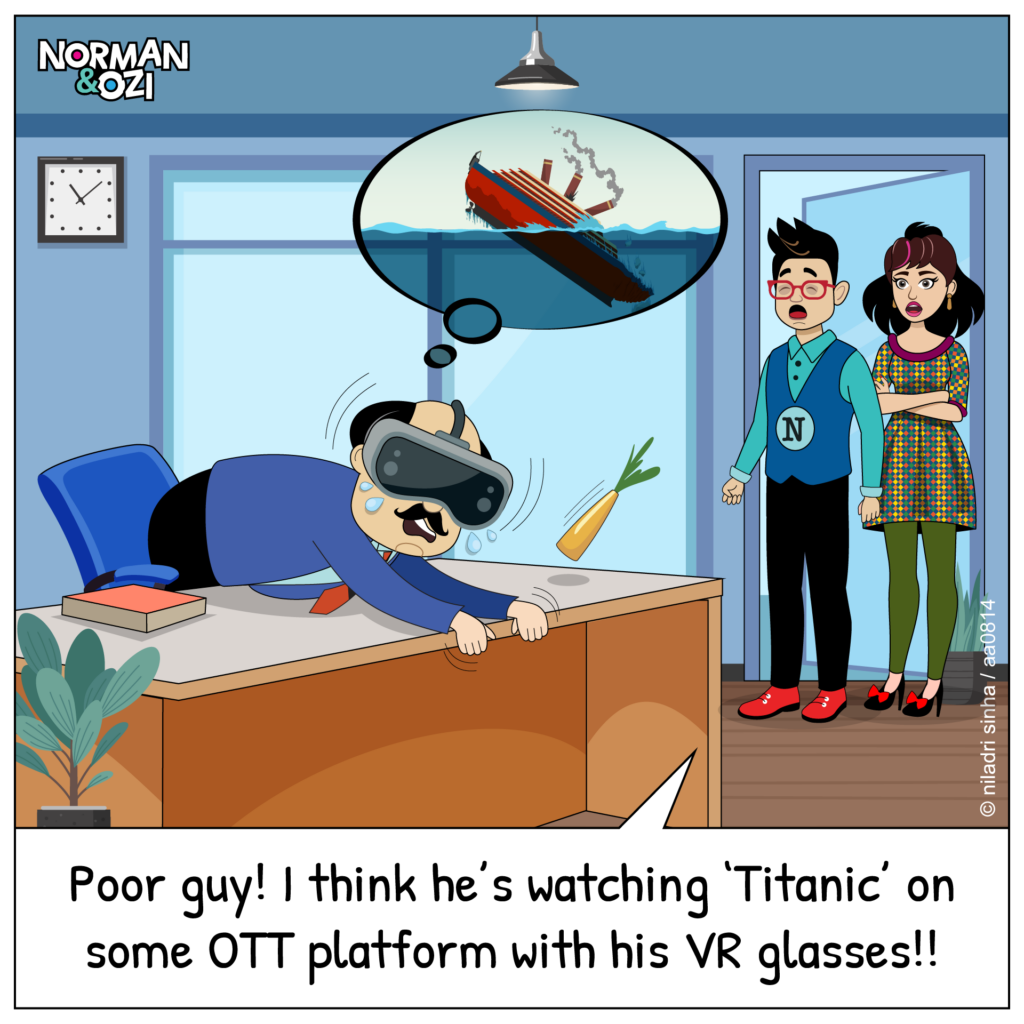
When it comes to business humor, webcomics will remain a powerful tool for connecting with audiences in an increasingly crowded digital landscape. By staying true to their brand identity, embracing creativity, and embracing the ever-changing digital landscape, businesses can harness the power of webcomics to entertain, educate, and inspire their audiences for years to come.
Conclusion
The rise of webcomics has ushered in a new era of humor and creativity, transforming the way businesses engage with their audiences online. Through digital platforms for comics, online comics, digital comic collections, and the innovative minds of comic strip creators, businesses have unlocked new opportunities for connecting with consumers, promoting their brands, and driving business growth. As we look to the future, the potential of webcomics in humorous content marketing is limitless, offering endless possibilities for storytelling, engagement, and entertainment in the digital age.
FAQs on Webcomics
Webcomics are serialised comics published directly online, either on dedicated platforms like Webtoon and Tapas or on social media. Unlike print comics, they can be shared instantly, updated frequently, and accessed on any device for free.
Businesses use webcomics to humanise their brand, explain complex ideas through visual humour, and create shareable content that spreads organically on LinkedIn, Instagram, and Twitter. They are especially effective for SaaS, HR, and corporate brands targeting professionals.
LinkedIn and Instagram are the top platforms for business webcomics due to their professional and visual-first audiences. Webtoon and Tapas work well for building a dedicated comic fanbase, while a brand’s own blog helps with SEO.
Yes. Webcomics cut through content noise because they combine visual storytelling with humour a combination that increases content shareability by up to 3× compared to plain text posts. They work particularly well for relatable workplace or industry themes.
A meme is typically a single image with text and is remixed anonymously. A webcomic is an original, recurring-character visual strip with a narrative arc, created by a specific artist or brand, and usually published on a consistent schedule.
Yes. Augmented reality can overlay comic panels into the physical world, while VR can create fully immersive story environments. Early experiments by brands include AR-activated packaging and interactive comic experiences at trade shows.