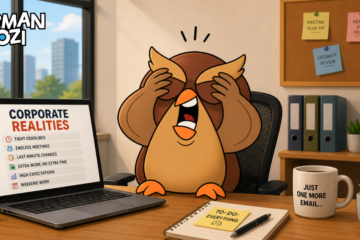
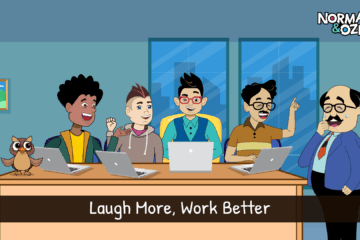
Laughter at work isn’t a distraction from performance. It lowers stress, helps teams recover from mistakes faster, and lets people name absurd problems without starting a fight. Humor doesn’t replace good work; it makes the hard parts survivable.
Every workday has a moment when things quietly fall apart.
The calendar overflows. The meeting refuses to end. Someone says, “This will just take two minutes.”
It never takes two minutes.
That moment isn’t fixed by strategy decks, productivity apps or a fourth cup of coffee. It’s fixed only by laughter.
Not the loud, stand-up comedy kind. The kind where someone smirks, someone exhales, and suddenly the room feels lighter again.

Corporate life loves to pretend it runs on logic and planning. It doesn’t. It runs on humans trying their best while silently questioning their life choices. Laughter is the only thing that makes that equation sustainable. Without it, work becomes a series of small emotional emergencies disguised as professionalism.
Here’s the truth no one puts in onboarding slides: laughter keeps people functional. On Monday, the client “loved it, just a few tweaks.” By Wednesday, the few tweaks are a new project. The team that can laugh about it on Wednesday ships on Friday. The team that can’t is still in a meeting about the meeting.
Laughter also does something dangerous in the workplace: it tells the truth. It exposes absurdity without confrontation. When everyone laughs at the same moment, it’s usually because everyone noticed the same thing but didn’t know how to say it out loud. Humor says it safely. Efficiently. Memorably.

And let’s talk about performance. High performers are not humorless machines. They’re calm under pressure, adaptable and emotionally agile. Laughter builds all three, and it reminds people that one bad meeting is not the end of civilization.
Outside of work, laughter keeps doing its quiet magic. It helps people reset after long days, connect without effort and survive conversations that would otherwise require a formal apology email. It lets us take ourselves less seriously and handle life’s curveballs without dramatic background music.
Of course, this doesn’t mean work becomes a joke. Laughter doesn’t remove responsibility; it makes it bearable. Perfection is overrated, and progress is usually messy.

At Norman & Ozi, we don’t believe laughter is optional. We believe it’s essential infrastructure. Like coffee machines, calendars and the mute button. It keeps workplaces human, productive and just sane enough to function.
Because in a world of deadlines, dashboards and daily chaos, laughter isn’t a break from performance.
It’s what keeps performance alive.
Also, this post took more than two minutes. We regret nothing.
Laughter lowers stress, helps teams bounce back from mistakes, and lets people point out problems without confrontation. Teams that laugh together talk more openly and carry less tension from one meeting into the next. It doesn’t replace good work; it keeps people functional enough to do it.
Research suggests it does. A 2012 meta-analysis of workplace humor studies linked positive humor to better job performance, satisfaction and team cohesion, and to lower stress and burnout. The gain comes from people coping better under pressure, not from joking instead of working.
No, as long as the humor targets situations, not people. Shared jokes about meetings, deadlines and reply-all chains build trust. Jokes aimed at a colleague’s identity, status or mistakes do the opposite, and that is where workplace humor crosses the line.
Start small and keep it voluntary. Share a relevant comic in the team channel, open a meeting with the week’s most absurd email, and let leaders laugh at their own mistakes first. Forced fun backfires; humor works when it’s spontaneous and inclusive.